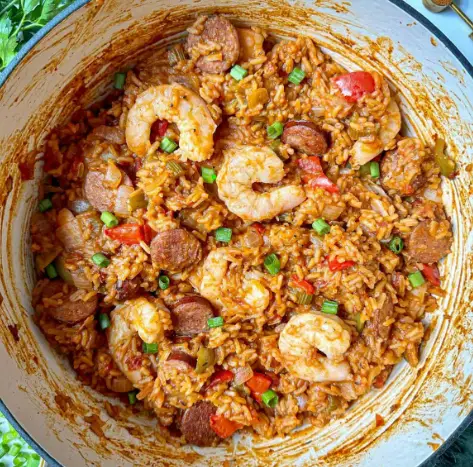
If there’s one dish that embodies the vibrant flavors and cultural melting pot of Louisiana, it’s jambalaya. This hearty and aromatic dish is a staple of Creole and Cajun cuisine, with a history as rich and diverse as its ingredients. In this article, we’ll take a journey through the history of jambalaya, from its roots in West Africa to its status as a beloved Southern comfort food.
The history of jambalaya can be traced back to West Africa, where similar one-pot rice dishes were common. These dishes often combined rice with meats, vegetables, and spices, reflecting the culinary traditions of the region. When enslaved Africans were brought to Louisiana, they brought their culinary knowledge with them, laying the foundation for what would later become jambalaya.
In the 18th century, Louisiana was colonized by both the Spanish and the French, who brought their own culinary traditions to the region. The Spanish introduced rice cultivation to Louisiana, while the French brought their expertise in seasoning and cooking techniques. These influences combined with the African culinary traditions to create the unique flavors of jambalaya.
As Louisiana’s population grew and diversified, so too did the ingredients and flavors of jambalaya. The dish evolved to include local ingredients such as seafood, pork, and wild game, as well as a variety of spices and seasonings. Jambalaya became a popular dish for gatherings and celebrations, known for its ability to feed a crowd with minimal effort.
There are two main types of jambalaya: Creole and Cajun. Creole jambalaya, also known as “red jambalaya,” is made with tomatoes, giving it a reddish color and a slightly tangy flavor. Cajun jambalaya, on the other hand, is made without tomatoes and is typically spicier, with a focus on meats such as sausage, chicken, and shrimp. Both versions are delicious in their own right and reflect the unique culinary traditions of their respective cultures.
Today, jambalaya is enjoyed not only in Louisiana but also across the United States and around the world. It has become a symbol of Southern cuisine, beloved for its bold flavors and comforting appeal. While traditional jambalaya recipes have been passed down through generations, modern chefs and home cooks continue to put their own spin on the dish, incorporating new ingredients and flavors to keep it fresh and exciting.
Jambalaya is more than just a dish – it’s a culinary tradition that reflects the diverse history and cultural heritage of Louisiana. From its humble beginnings in West Africa to its status as a Southern classic, jambalaya has stood the test of time, captivating taste buds and bringing people together around the dinner table. So the next time you enjoy a steaming bowl of jambalaya, take a moment to savor its rich history and appreciate the flavors that have made it a beloved dish for centuries.
Ingredients:
- 1 lb chicken breast, cut into bite-sized pieces
- 1 lb Andouille sausage, sliced
- 1 lb large shrimp, peeled and deveined
- 1 onion, diced
- 1 bell pepper, diced
- 3 stalks celery, diced
- 4 cloves garlic, minced
- 1 can (14.5 oz) diced tomatoes
- 3 cups chicken broth
- 1 1/2 cups long grain rice
- 2 tablespoons Cajun seasoning
- 1 teaspoon dried thyme
- 1 teaspoon dried oregano
- Salt and pepper to taste
- Green onions, chopped (for garnish)
- Hot sauce (optional, for serving)
Instructions:
- In a large Dutch oven or heavy-bottomed pot, heat some oil over medium-high heat. Add the chicken and sausage, and cook until browned, about 5-7 minutes. Remove from the pot and set aside.
- In the same pot, add the onion, bell pepper, celery, and garlic. Cook until the vegetables are softened, about 5 minutes.
- Stir in the diced tomatoes, chicken broth, rice, Cajun seasoning, thyme, oregano, salt, and pepper. Bring to a boil.
- Reduce heat to low, cover, and simmer for 20-25 minutes, or until the rice is cooked and most of the liquid is absorbed.
- Stir in the cooked chicken and sausage, along with the shrimp. Cook for an additional 5 minutes, or until the shrimp are pink and cooked through.
- Remove from heat and let it sit, covered, for 5 minutes.
- Fluff the jambalaya with a fork and serve hot, garnished with chopped green onions and hot sauce on the side.
This Jambalaya recipe is packed with flavor and perfect for sharing with friends and family. Enjoy!
Leave a Reply